AI agent memory: what it is and why it changes customer support
AI agent memory is what lets an agent recall each customer history across conversations. See the types of memory that matter and how to test if yours really has it.
On this page
- What AI agent memory actually means
- The three types of memory an agent uses
- What happens when long-term memory is missing
- Memory is not the same thing as a knowledge base
- How long-term memory actually works under the hood
- Memory across channels: WhatsApp, website, and Telegram as one conversation
- How to tell if your agent actually has memory
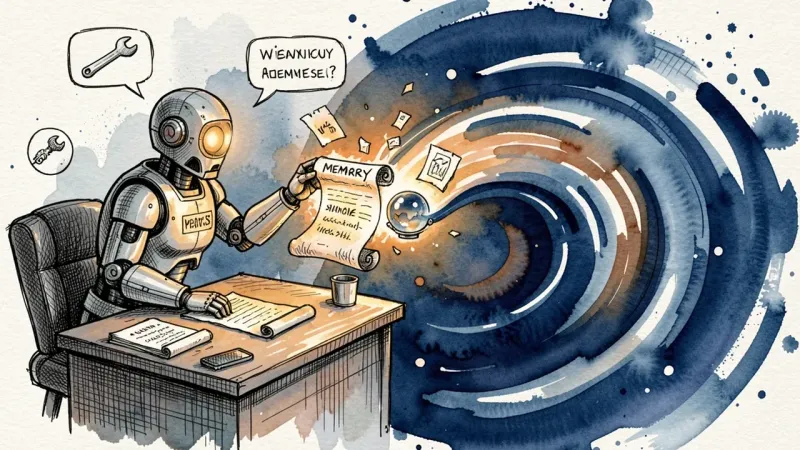
A customer messages your company on WhatsApp. Gives their name, the problem, what they already tried. Two days later, they write again with a related question. The AI agent answers like it’s their first conversation ever: asks for the name again, asks about the problem again, ignores everything already said. That’s not a model intelligence issue. It’s a memory issue.
What AI agent memory actually means
AI agent memory is the ability of an agent to store and use information from past conversations to respond better in the future. Without memory, every interaction starts from zero, even if it’s a customer’s tenth contact.
That’s different from “the model is smart.” A language model, on its own, doesn’t remember anything between one conversation and the next: it only sees what’s inside that specific session’s context window. Memory is the layer that sits on top of the model, built to store what matters and bring it back at the right moment.
The three types of memory an agent uses
In practice, “AI memory” isn’t one single thing. It’s three different layers, each solving a different problem.
| Type | What it stores | Duration |
|---|---|---|
| Short-term memory | What was said in this conversation, right now | Current session only |
| Long-term memory | Facts about the person: preferences, history, decisions already made | Persists across conversations |
| Semantic memory | General company knowledge: policies, product, FAQ | Fixed until someone updates it |
Short-term memory is what every model already gets for free: the current conversation’s context window. Long-term memory is what’s missing from most simple chatbots: remembering that a customer already solved a similar problem last month, or that they prefer short answers. Semantic memory is usually what we call a knowledge base: it doesn’t change from person to person, it’s the same for everyone.
A good agent uses all three at once. An agent with only the first one starts sounding dumb by the second message.
What happens when long-term memory is missing
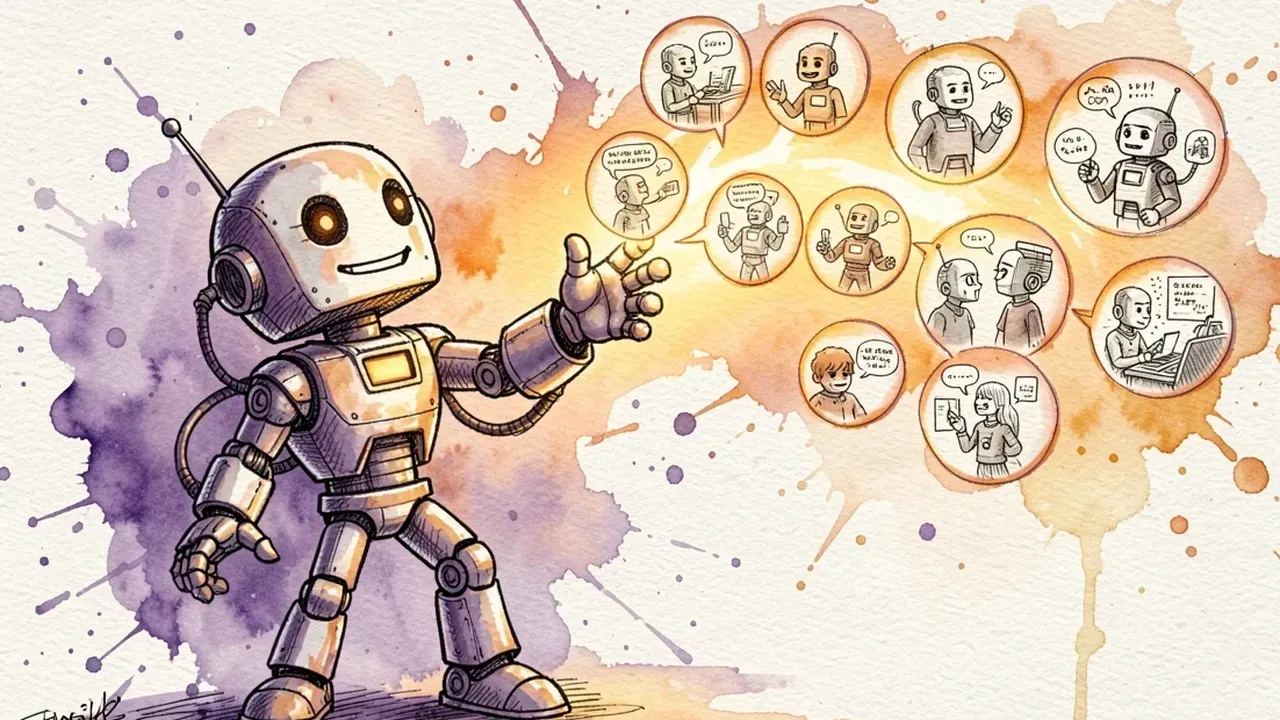
The most common symptom is a customer typing “I already told you this” or “again?”. But the problem goes beyond annoyance.
- Sales loses lead context. An AI SDR that doesn’t remember a lead already shared their budget asks again, and the lead stops replying by the third time.
- Support repeats the diagnosis. A customer who already went through three troubleshooting steps in a previous conversation has to redo everything from scratch next time.
- Onboarding stalls. An employee who already asked “how do I request a reimbursement” last week gets the same generic answer again, instead of one that accounts for what they already know.
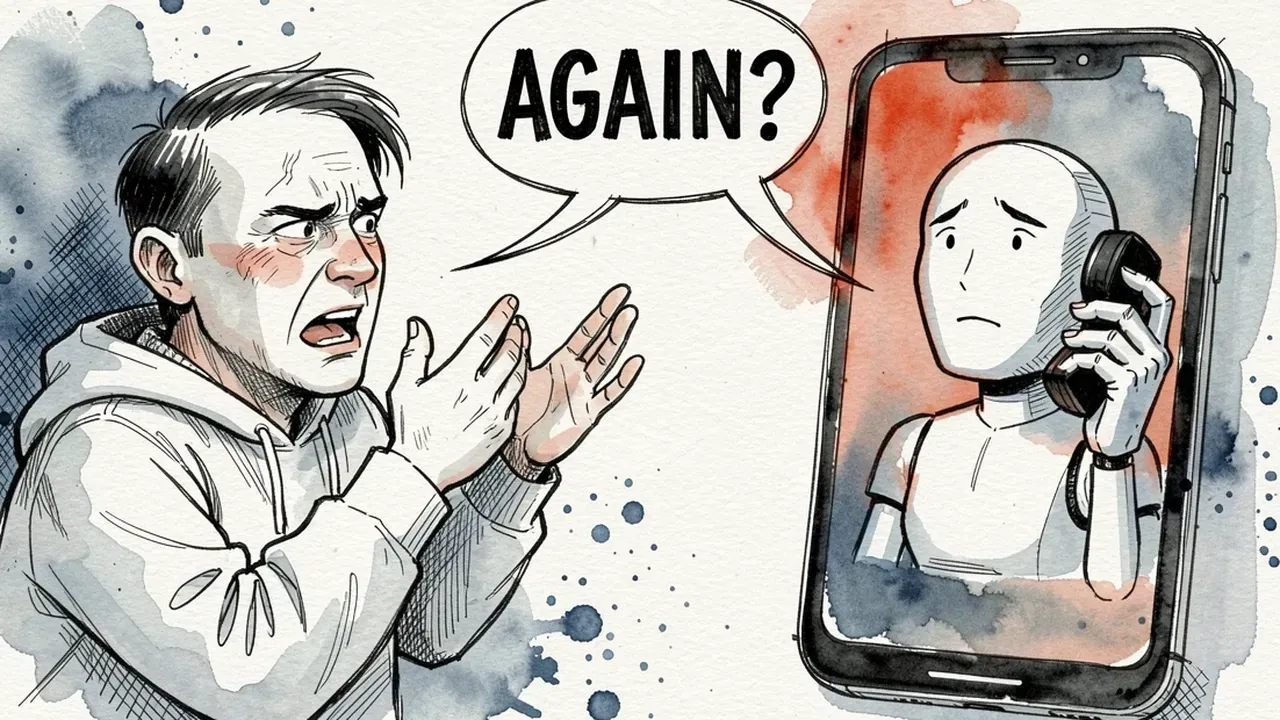
In every case, the cost isn’t just annoyance. It’s time. Every time the agent forgets, someone, human or not, pays the price of re-explaining.
Memory is not the same thing as a knowledge base
This mix-up is common and worth clearing up. A knowledge base is static: PDFs, policies, FAQs, the same text for anyone who asks. Memory is dynamic and personal: what that specific customer already said, decided, or needed before.
An agent can have an excellent knowledge base and still feel amnesiac if it doesn’t retain anything about the individual conversation. The reverse is also true: memory without a solid knowledge base turns into an agent that remembers the customer but gets the product wrong.
How long-term memory actually works under the hood
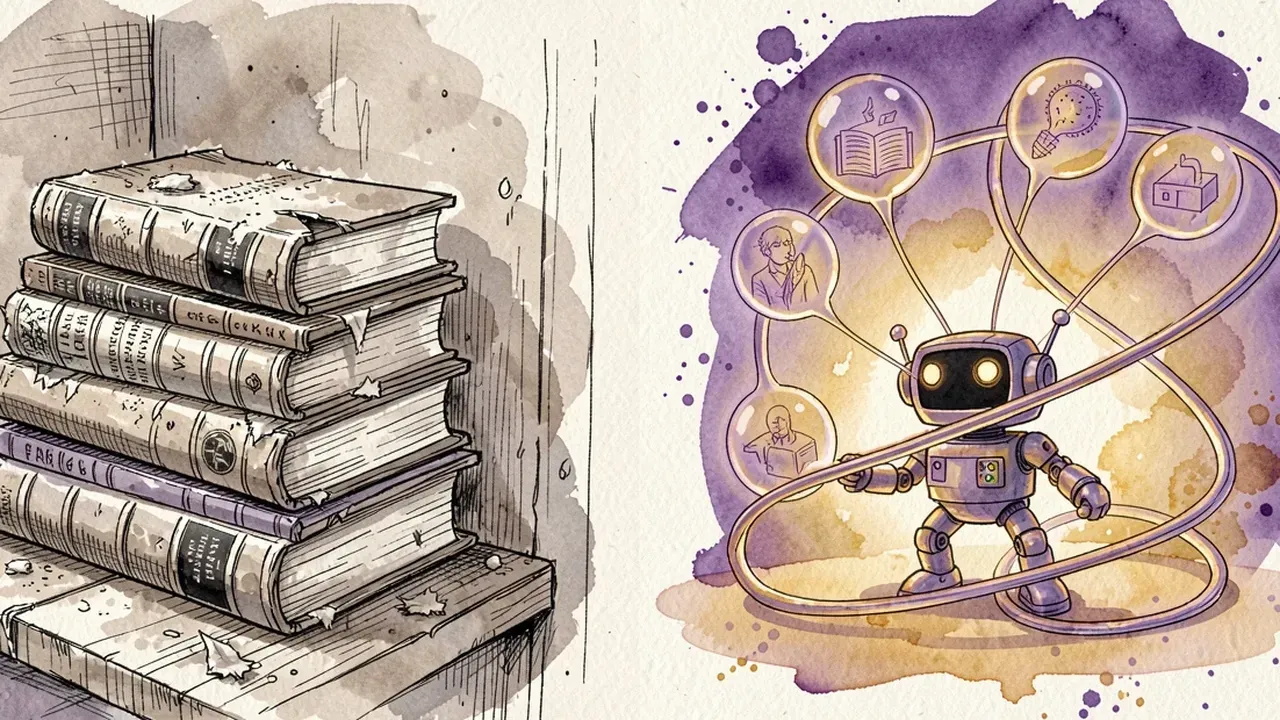
You don’t need the engineering details to use it well, but the principle helps. Most platforms store each relevant fact as a small, separate record, not the entire conversation, tied to the person. When a new message comes in, the system retrieves only the facts relevant to that context and injects them into the response.
That’s different from simply “pasting the whole conversation again” into the model. A full conversation history is expensive in tokens and hurts response quality: the more irrelevant context, the more the model loses track. Good memory is selective. It brings the right fact at the right moment, without flooding the context window with things that don’t matter to the question at hand.
Memory across channels: WhatsApp, website, and Telegram as one conversation
A customer starts a conversation on WhatsApp, disappears, comes back through the website two weeks later. From their point of view, it’s the same conversation, just a different screen. From the point of view of a system without shared memory, it’s two different people.
This is a bigger problem than it looks. Companies that support customers across more than one channel, which is most of them, lose context every time a customer switches channels, even if each individual channel has its own memory. The WhatsApp agent remembers the WhatsApp conversation. The website agent has no idea it ever happened.
The fix isn’t technical, it’s architectural: memory needs to be tied to the person, not the channel. A well-built agent recognizes the same customer across WhatsApp, Telegram, or the website and brings the full history, no matter where the conversation picks back up.
How to tell if your agent actually has memory
A quick test, no code required:
- Talk to the agent and share a personal detail (name, preference, a specific problem).
- Wait a day. Come back with a related question, without repeating the context.
- See if the agent uses the earlier information or asks everything again.
- Repeat with a fact that should change the tone of the response, like “I prefer short answers.”
If the agent passes the test, it has real long-term memory. If it asks for everything again, what you have is a well-written language model, not an agent that actually knows your customer.
Long-term memory is what separates a generic chatbot from an agent that genuinely remembers who it’s talking to. SquadOS runs on dozens of models with native multimodal processing, with up to 95% savings on tokens, without you having to build that memory engineering from scratch.