AI for car dealerships: qualify leads and book test drives without losing the sale
AI for car dealerships qualifies listing leads instantly, books test drives on its own, and cuts no-shows. See what you can automate today.
On this page
A lead from a car listing wants two things: is it still in stock, and what’s the cash price. They want an answer now, not in twenty minutes when the salesperson wraps up a test drive or finishes with a walk-in customer. Meanwhile the listing on Cars.com, Facebook Marketplace or Instagram keeps generating messages, and every minute without a reply is one more lead drifting to the dealership down the road that answered first.
AI for car dealerships doesn’t replace the salesperson when it’s time to negotiate price and close the deal. It handles what breaks down before that: answering instantly, sorting out who’s actually ready to buy from who’s just price-shopping, and booking the test drive without a long back-and-forth. This guide walks through what’s already possible to automate today, across three fronts, without switching CRMs or leaving the channel the listing already runs on.
What actually breaks the funnel at a dealership
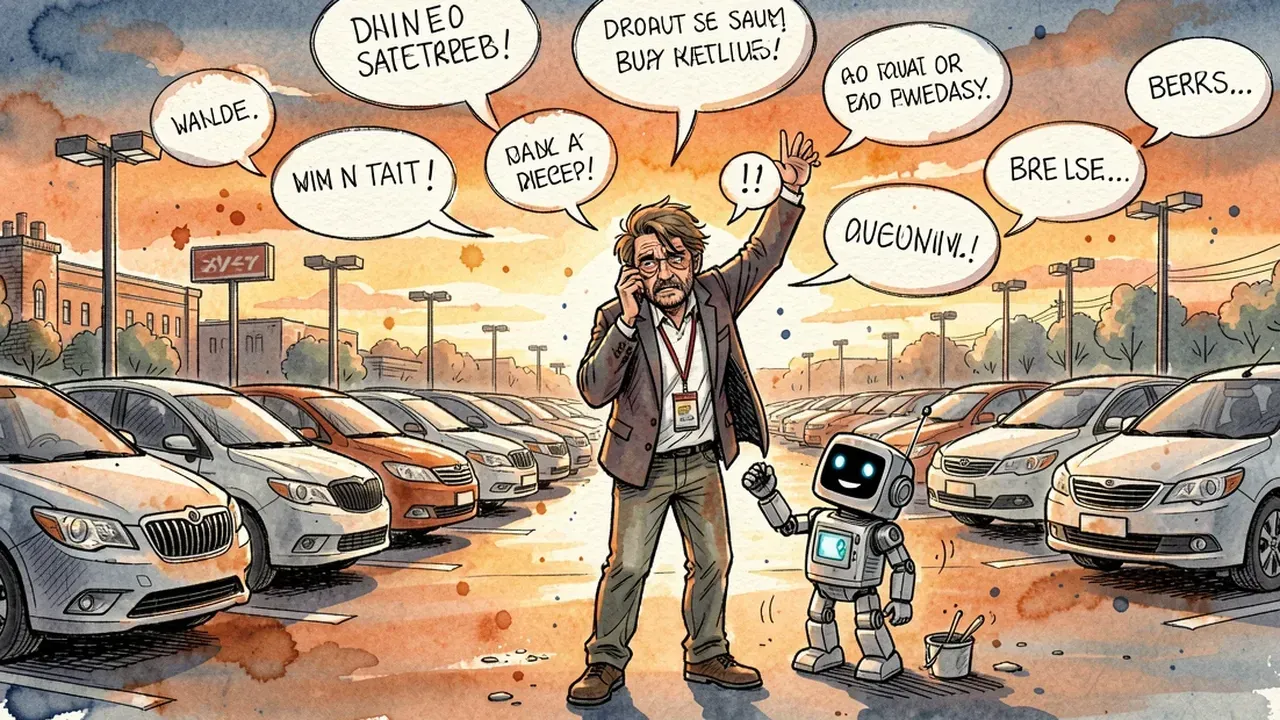
The bottleneck is rarely a shortage of leads from the listing or the social post. It’s the gap between the message landing and someone at the dealership actually answering it. Three things account for most of the loss:
- Message spikes hit at the worst time to answer. Car listings drive a wave of contact in the late afternoon and on Saturdays, exactly when the showroom floor is busiest and the sales team is split between walk-ins and test drives. Whoever answers in minutes converts far more than whoever answers after closing.
- Qualification changes depending on who picks up the message. Model, payment method (cash, financed, lease), trade-in, timeline to buy. Without a fixed script, every salesperson asks it differently, and what lands in the CRM is incomplete or never makes it in at all.
- Test drive scheduling runs on manual back-and-forth. Finding a day and time that works for both sides, confirming again closer to the date, and still eating a no-show. Every scheduled test drive that falls through is a salesperson and a car sitting idle instead of closing a deal.
At a dealership running listings on two marketplaces while keeping an active Instagram presence, it’s common to have three or four conversations open at the same time with nobody dedicated to sorting them. The salesperson on duty answers in whatever order the notifications pop up, not by which lead actually has the best shot at closing. That’s how a ready-to-buy lead ends up waiting behind someone who just wanted to know what colors are in stock.
What changes with automation isn’t how many leads the listing generates. It’s how much of that volume turns into a booked test drive, and how much of that booked test drive actually shows up.
Automatic qualification: separate ready buyers from price shoppers
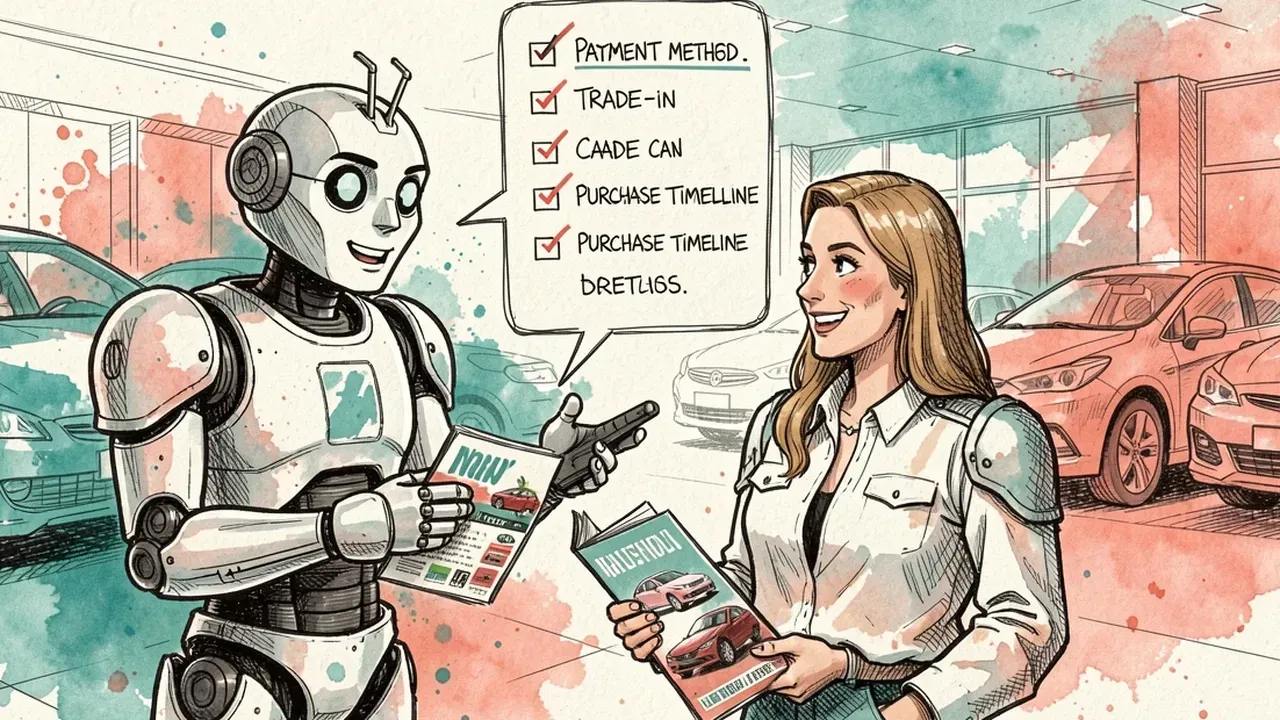
Automatic lead qualification for a dealership means an agent answers every listing message instantly, runs through the same script every time, and only hands the salesperson leads that already clear the minimum buying bar.
In practice, the flow looks like this:
- Instant reply on every channel. A lead comments on the Instagram listing at 9pm on a Friday and gets an answer right away, not Monday morning buried in the queue. That alone claws back leads that would otherwise go to whichever dealership replied first.
- The same qualifying questions every time. Model, year, payment method, trade-in, timeline to decide. Every lead goes through the same sequence, so what lands in the CRM is comparable across salespeople instead of a rushed summary written from memory.
- Automatic filtering of pure price shoppers. A curious buyer with no timeline drops into a long-term nurture list instead of eating up a salesperson’s follow-up bandwidth. A lead with pre-approved financing and a short timeline jumps to the top of the queue.
The salesperson stops spending the morning manually sorting hot leads from cold ones, and walks into the conversation already knowing which car the person wants and how they plan to pay for it. If the lead already confirmed they have a valid license, want a specific model, and prefer a weekend slot, the salesperson jumps straight to booking instead of asking the same five questions the agent already covered.
Test drive scheduling without the back-and-forth (and fewer no-shows)
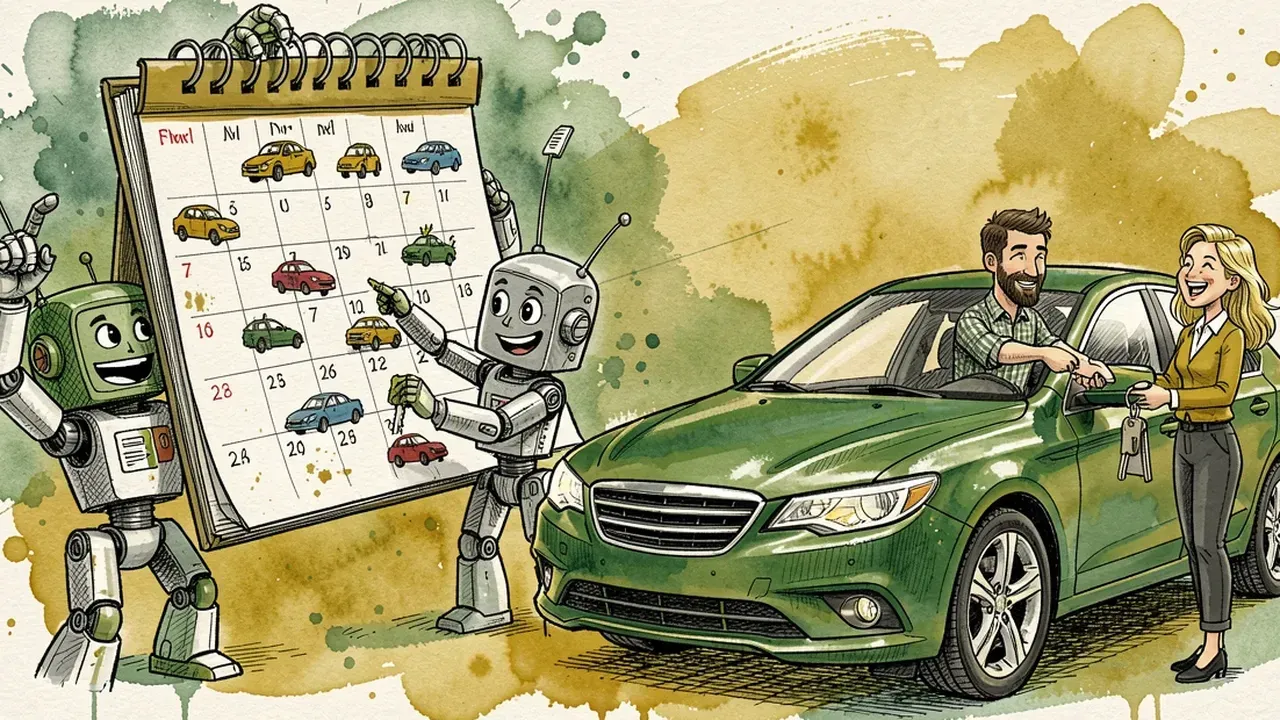
Automatic test drive scheduling means the agent checks the salesperson’s availability and the specific car’s availability against the time the customer prefers, locks in the appointment right in the chat, and sends reminders to cut down on no-shows.
The payoff shows up in three moments:
- Booking happens inside the conversation. A qualified lead picks from open slots without calling in or waiting on a manual confirmation. It closes in the same message thread that started with a question about the car.
- Automatic reminders before the test drive. One confirmation the day before, another a few hours out. Most test drive no-shows come from forgetting, not from changing their mind, and the double reminder cuts that number down significantly.
- Rescheduling without friction. A customer who needs to move the appointment does it themselves in the chat, without hunting down the salesperson’s contact or waiting for a reply during business hours.
Fewer missed test drives means more of the salesperson’s time actually spent negotiating, instead of waiting on a customer who never showed up. And since the agent already knows exactly which car in inventory the lead wants to drive, it also avoids booking a test drive for a car that already sold over the weekend, a common mistake when the schedule lives in a spreadsheet separate from inventory.
After the test drive: follow-up that keeps the lead from going to a competitor
Automated post-test-drive follow-up keeps the conversation going with someone who drove the car and didn’t sign on the spot, without depending on a salesperson remembering to call back the following week.
That covers two common scenarios:
- The customer torn between two models. They get a recap of the car they drove, a comparison with another option in the same budget from current inventory, and a direct question about what’s still standing in the way of a decision. It keeps the conversation alive without sounding pushy.
- The customer who said “I need to think about it.” They land in a long-term nurture sequence: an alert when a car matching their profile hits the lot, or when a better financing offer becomes available. When their timing shifts, the dealership is already in the conversation instead of buried in an old contact list.
The salesperson spends their energy on whoever is closest to signing. The agent keeps the rest of the pipeline warm in the background, so the next sale doesn’t come from a lead the dealership had already let go cold.
Want to automate lead qualification and test drive scheduling without switching CRMs or hiring more people to answer listing messages? With SquadOS you build that agent by chatting with it (AgentMaker), connect it to WhatsApp and 100+ native integrations, and it keeps improving on its own as it answers real questions from your leads.