Contract management with AI: how to automate review, deadlines and renewal
AI contract management extracts every clause, checks it against internal policy and flags deadlines before they become a problem. Here is how to build that agent.
On this page
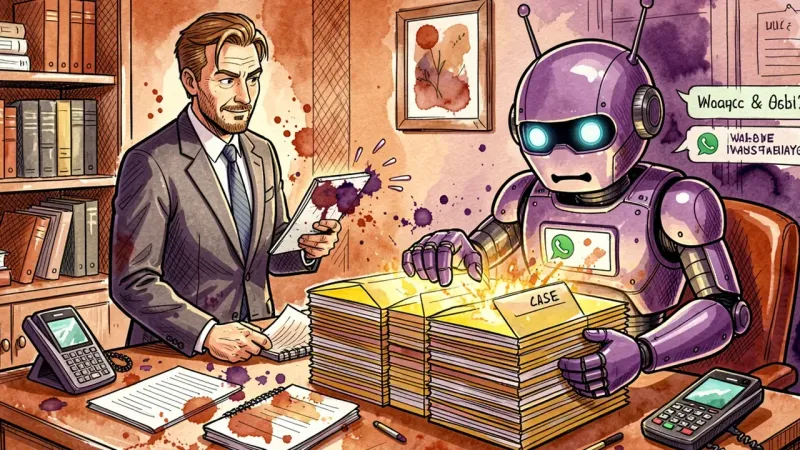
Every important contract in the company lives somewhere hard to find. A Drive folder with a generic name, an attachment buried in the inbox of someone who left the team, a scanned PDF nobody has reopened since it was signed. Nobody knows exactly how many contracts are active, when each one expires, or whether a clause negotiated two years ago still protects the company today. Legal usually finds out the hard way: the auto-renewal nobody cancelled in time, the penalty for missing a deadline that slipped by, the price adjustment clause nobody noticed.
A contract management agent attacks that mess at the root. Instead of turning into a dead file the moment it gets signed, a contract becomes live data: read, indexed, monitored. Here is what that agent actually does, how to build your own, and what still has to stay a human call.
Why contract management breaks down (and quietly turns into risk)

Contract management breaks down because it depends on someone remembering. Remembering that a contract expires in 60 days, remembering that a specific clause needs finance sign-off, remembering to reread the document before renewing. Small companies handle this in a spreadsheet nobody updates. Large companies pay for a contract lifecycle system that only works if the team feeds it properly, which it almost never does.
The result is always the same kind of pain:
- Auto-renewal nobody wanted. A vendor contract renews itself because the cancellation window (30, 60, 90 days before expiration) passed unnoticed.
- A risky clause approved without real review. Someone signs fast to close the deal and only discovers the disproportionate penalty clause once it is already a problem.
- Inconsistency between similar contracts. The same type of contract (vendor, customer, partner) carries different terms every time, because each negotiation started from a different template with no central standard.
- Audits that turn into archaeology. When legal or an investor asks “show me every contract with an exclusivity clause,” the answer requires someone to open each one by hand.
None of these problems come from a lack of skilled people. They come from the lack of someone, or something, reading every contract the moment it arrives and keeping that reading organized and accessible.
What a contract agent does (and takes off your plate)
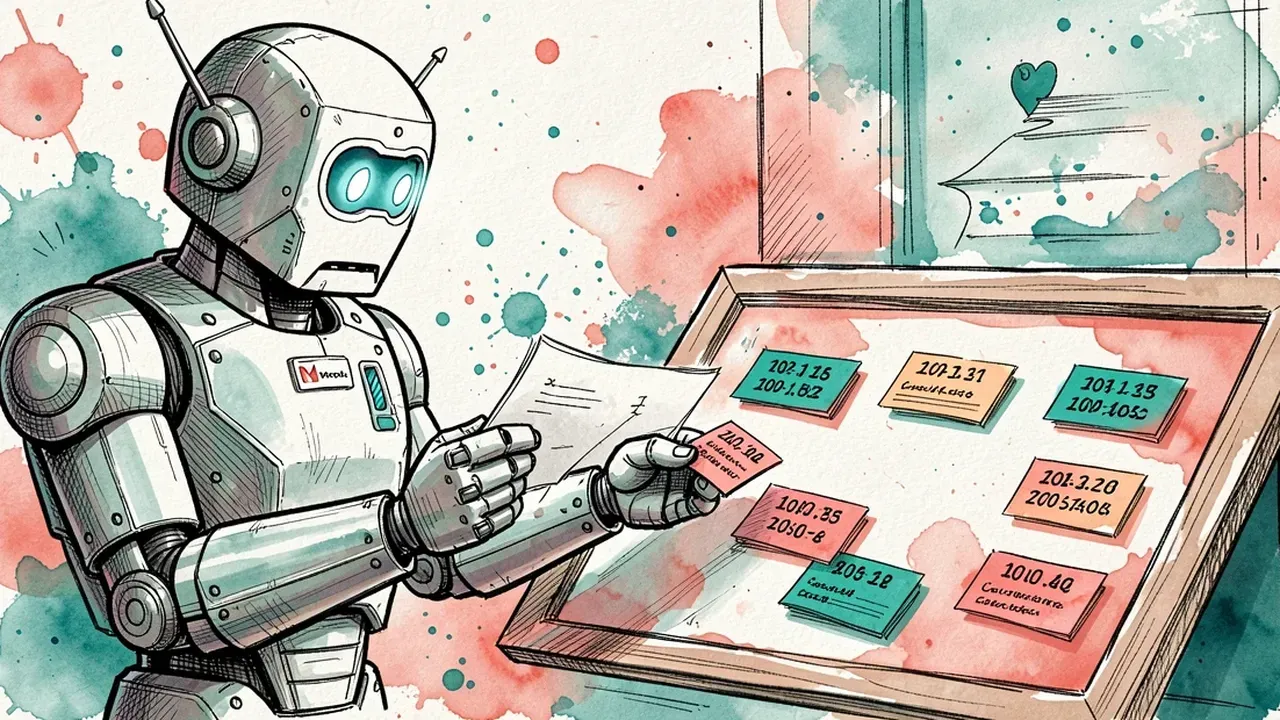
A contract agent does not replace the lawyer. It makes sure no contract goes unread, and that reading turns into data the company can actually use. In practice, it handles:
- Extracting the essentials the moment a contract arrives. Parties involved, value, term, renewal date, cancellation window, termination and adjustment clauses. All of it comes out of the PDF as structured data, with nobody typing field by field.
- Checking every clause against internal policy. If the company has a rule that no contract runs longer than 12 months without finance approval, or that any penalty above a certain value needs legal review, the agent automatically flags any new contract that breaks the pattern.
- Warning about deadlines before they become a problem. Expiration, cancellation window, scheduled price adjustment. The alert arrives with enough lead time for someone to decide, not on the day it is already too late.
- Summarizing a long contract in plain language. Someone who is not a lawyer, a department manager, say, can ask “what does this contract obligate me to do” and get a straight answer, without reading 40 pages of clauses.
- Keeping everything searchable. “Which contracts have an exclusivity clause” or “which vendors have adjustments tied to inflation” becomes a question the agent answers on the spot, not a two-week project digging through folders.
The real gain is not automating the legal decision, that stays human. It is making sure the decision starts from complete information delivered on time, instead of a last-minute scramble.
How to build your contract agent in 4 steps

You do not need to switch storage systems or wait on a months-long IT project.
- Define what needs to be extracted and monitored. List the fields that matter for your contract types (term, value, termination clause, cancellation window) and the internal rules every contract should follow.
- Describe the agent in plain language. Say what it is (“contract management agent, reads every document that comes in, extracts the key fields and flags deadlines with advance notice”), where it looks for new contracts (email, shared folder, legal’s WhatsApp), and the format of the alerts it sends.
- Connect the agent to the tools where contracts already flow. Email, Drive, WhatsApp, e-signature platform. The more sources connected, the fewer contracts slip past the radar.
- Run a pilot cycle with one contract type and calibrate. Start with vendor contracts, for instance, before expanding to every type. See where extraction missed a field, adjust the instructions before scaling up.
On a conversational platform, these four steps fit into a chat: you describe the process and the agent is born already knowing what to extract, where to look, and when to warn you.
Governance: what AI should never decide alone
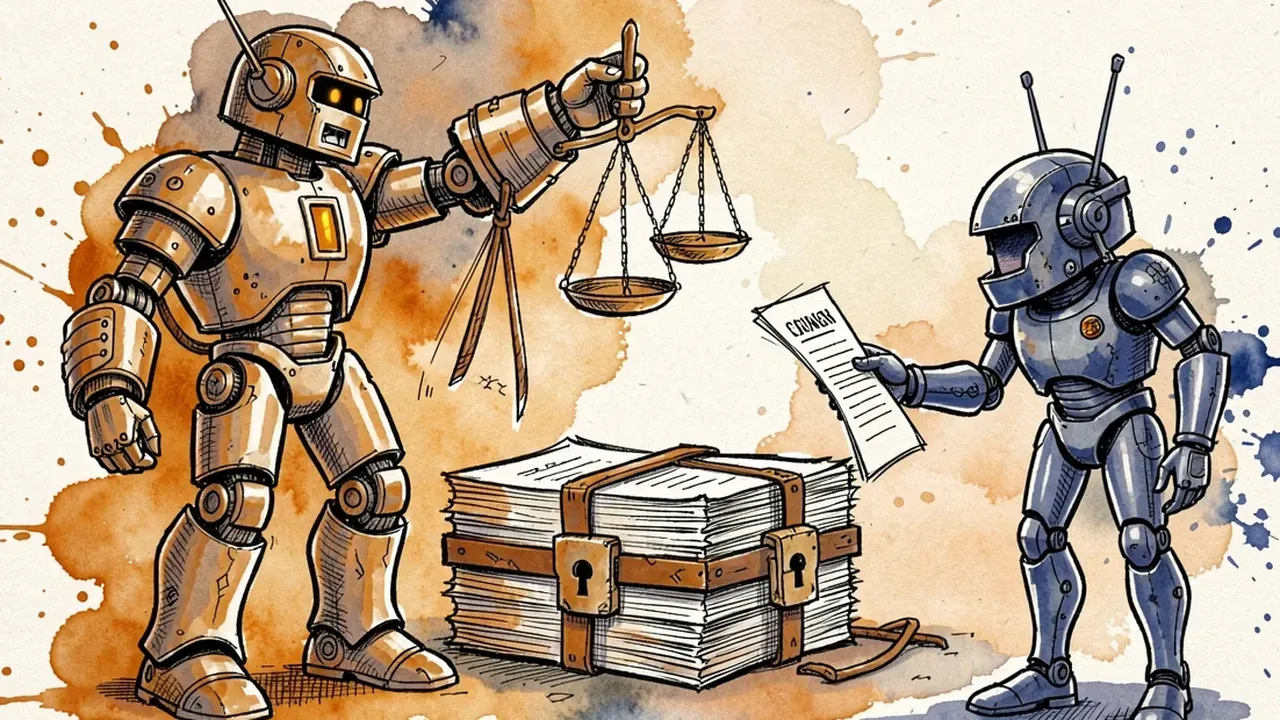
Contracts involve money, legal obligation and company risk. Three clear limits keep the automation from becoming a bigger problem than the one it solves.
- Signing and value negotiation stay human. The agent organizes, alerts and summarizes. It does not sign, negotiate a clause, or decide to accept a risk on the company’s behalf.
- A clause that breaks policy goes to human review, never automatic approval. If a contract falls outside the standard (a high penalty, a long term, an unusual clause), the right flow is to escalate to legal, not let the agent decide on its own that “this looks fine.”
- Every read stays auditable. When the agent extracted a data point, when it flagged a risk, and what it read to reach that conclusion needs to be on record. If someone questions a piece of information six months later, the answer is in the history, not in the memory of whoever configured the agent.
One more thing worth flagging: contracts usually carry sensitive data (deal value, customer information, confidentiality terms). Access to this agent and to what it processes needs to stay restricted to the people who actually handle contracts, with the same care the company already applies to any financial system.
With those limits in place, contract management stops being the folder everyone avoids opening and becomes a living system that warns you before a deadline hits and answers questions on the spot, without taking the final word away from legal.
Tired of finding out a contract deadline passed after it already passed? On SquadOS you build a contract management agent by chatting in AgentMaker: describe what it should extract and monitor, connect it to legal’s email, Drive or WhatsApp among 100+ native integrations, and every new contract lands on the radar with deadline alerts and out-of-policy clauses flagged before they turn into a problem.