SquadOS vs Intercom: which to choose for AI customer support
Intercom is a support inbox with the Fin AI agent billed per resolution. SquadOS is an agent platform priced by usage. Compare both before you choose.
On this page
Intercom is one of the most widely used support inboxes on the market, and in the last few years it has also become an AI showcase: the Fin agent promises to resolve a customer conversation on its own, without a human stepping in. On paper, that sounds a lot like what an agent platform such as SquadOS delivers.
The similarity stops at the surface, though. This article compares the two directly, looking at where each one was born, how it charges and what it actually covers, so you don’t pick the wrong tool for the size of the problem you have.
What each platform actually is
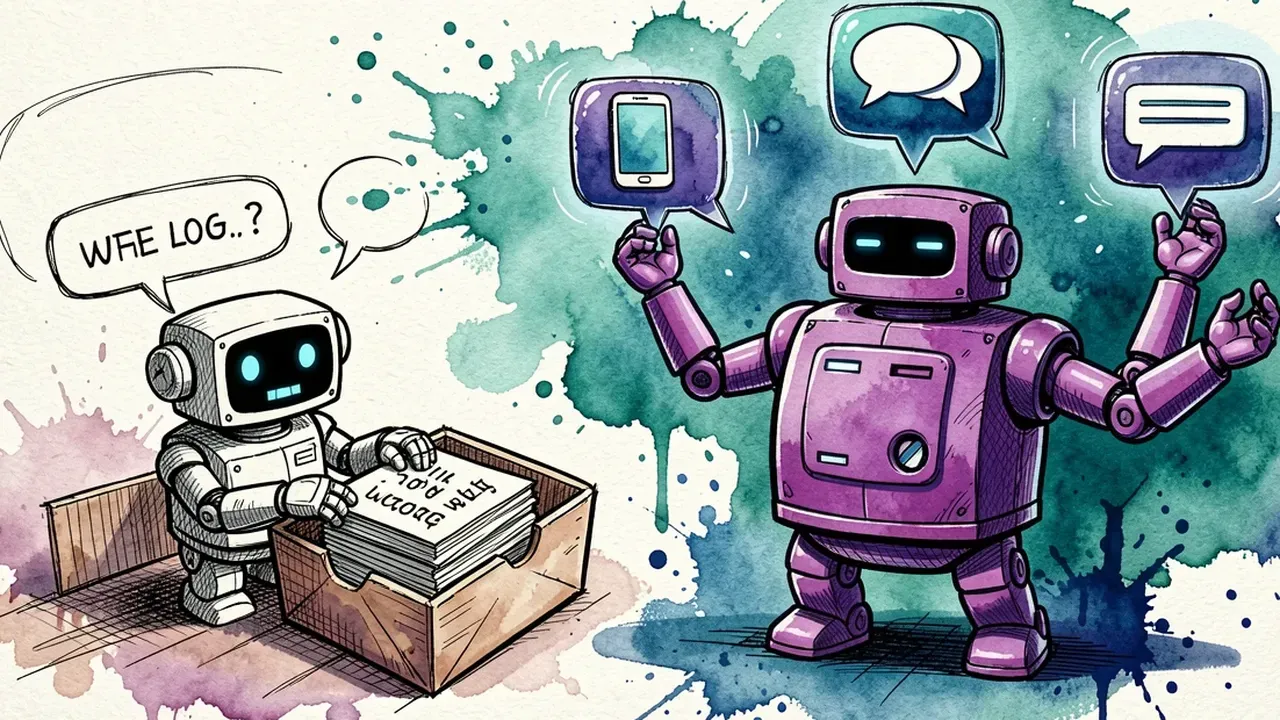
Intercom started as a website chat widget and grew into a full inbox: customer conversations, tickets, help articles, all centralized in one screen for the support team to work from. Fin is the AI layer that runs on top of that inbox, reading help articles and the knowledge base to answer the customer without opening a ticket for a human.
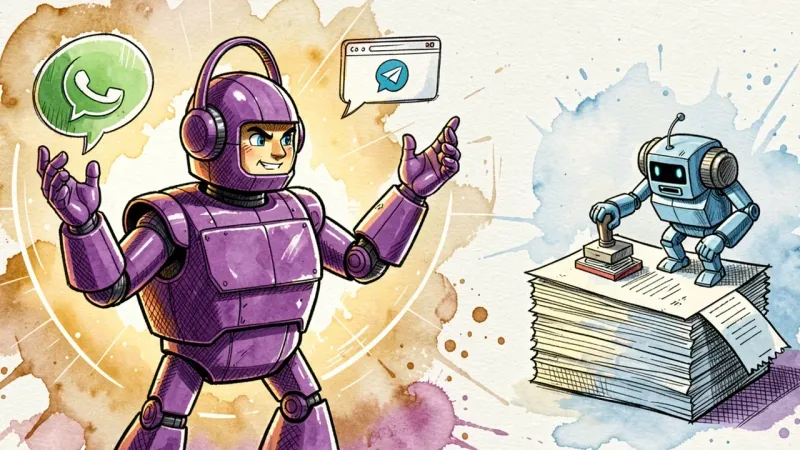
SquadOS started as an AI platform for companies, not as a support inbox. The core idea is broader: an internal hub where employees talk to agents in the same room, internal agents that automate whole processes across any department, and external agents that handle customer conversations end to end on WhatsApp, Telegram and the website. Support is one of three fronts, not the only one.
The core difference: Intercom (with Fin) resolves the support conversation inside an inbox built for that purpose. SquadOS resolves external support while also covering what the company does internally, HR, finance, operations, all inside the same hub with governance.
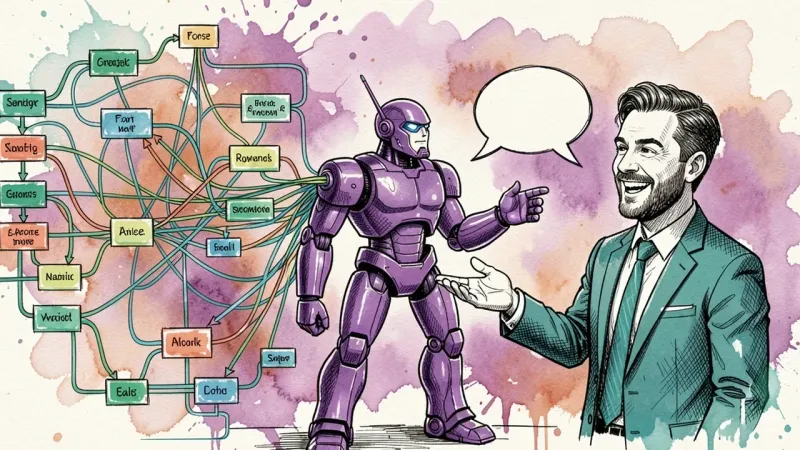
Fin resolves tickets. SquadOS agents cover the internal hub and external support

Where Fin shines is clear: a company already running Intercom as its support inbox, with help articles organized and ready, gets an agent that answers recurring customer questions without a ticket ever opening. The heavy lifting is reading the knowledge base and returning the right answer inside the channel Intercom already runs, mainly the website chat.
SquadOS starts from a different place. The external agent answers on WhatsApp, Telegram and the website, understands the question in natural language, checks the company’s knowledge base and decides on its own when to resolve and when to hand off to a real human. The same agent model also runs internally: it automates employee onboarding, chases a pending task inside a team room, puts together a report on demand. It’s the same AI infrastructure covering both customers and employees, not two separate tools.
That changes which operation each one solves best:
- Intercom + Fin shines for a company whose pain is specifically cutting ticket volume inside an inbox it already runs and already knows.
- SquadOS shines for a company that wants AI handling customers and automating internal work, with WhatsApp as the main channel (not just website chat) and no need to buy a separate tool for each front.
If WhatsApp is where your customer actually talks to you, that matters a lot here: Fin was built for the chat widget embedded on a website, while SquadOS was built multichannel, with WhatsApp and Telegram native from day one.
Per-resolution and per-seat pricing vs a single usage-based price
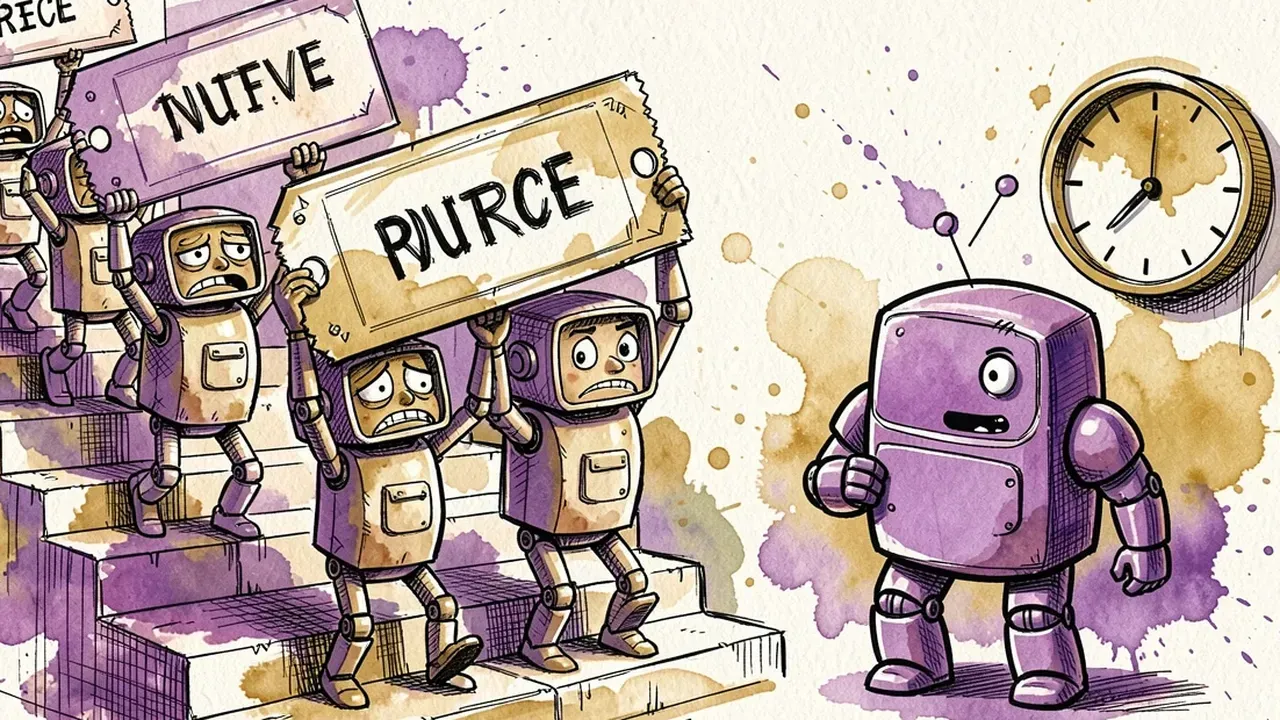
Intercom’s pricing stacks two layers: a seat paid for every teammate who logs into the inbox, plus a separate charge, per resolution, every time Fin resolves a conversation on its own. Two bills that climb together: the bigger the team and the more the agent resolves, the more expensive it gets, on two different fronts.
SquadOS charges for AI usage: credits consumed by the agent, full stop. Users are unlimited on the paid plan, so the entire team gets into the hub with no extra cost per head. There’s no separate “AI resolution” fee stacked on top of a software license. It’s one bill, and it rises with the actual volume of work the AI is doing, not with the number of people who have access to the dashboard or a parallel resolution counter.
On the governance side, SquadOS already ships with native guardrails against hallucination and personal data leaks, full audit trails for every conversation, and official channels connected without manual integration work. AutoLearn automatically flags every question the agent didn’t answer well and turns it into a knowledge base improvement, no one has to hunt for gaps by hand.
How to decide between the two

The right choice depends on where the bottleneck in your operation actually is today, not on which tool is better known in the support market.
Intercom is worth considering when the problem is specifically cutting ticket volume inside a support inbox your team already uses, with help articles ready and the website chat as the main channel.
SquadOS is worth considering when you want an agent handling customers end to end on WhatsApp and other channels, paying for actual usage instead of a seat plus a resolution fee stacked on top, and you want that same AI infrastructure automating internal work at the same time, with native governance from day one.
If the question is “I want one platform that talks to my customers on WhatsApp and the website, automates my team’s internal work, and charges me for what I actually use,” the answer leans toward SquadOS. On SquadOS you build the external agent in minutes with AgentMaker, connect it to the official channels, and let AutoLearn take care of the knowledge base on its own, inside the same platform that also runs your internal hub and the agents automating the rest of the company.