SquadOS vs Zapier: Which One Should You Pick for AI Automation
Zapier connects apps with trigger-and-action zaps. SquadOS is an AI platform with governance built in. Here is the real difference before you pick one.
On this page
Every ops team already knows Zapier. “Just build a zap for that” has become shorthand for automating a small task: a new lead hits a spreadsheet, a Slack message fires. A deal closes, a CRM row gets created. It is fast to set up and it handles that kind of point automation very well.
The question changes once you move from “how do I connect these two apps” to “how do I put AI in front of customers and automate an internal process safely.” At that point Zapier and SquadOS are not competing for the same job anymore. This article compares them directly, so you do not pick the wrong tool for the problem you actually have.
What each one actually is

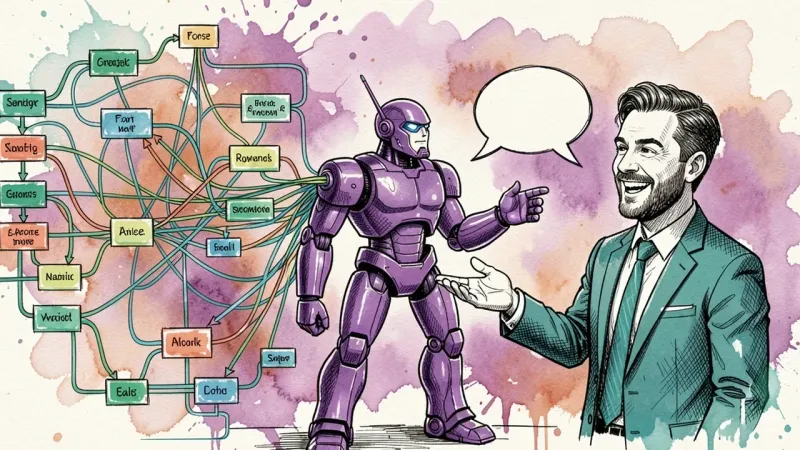
Zapier is an app-to-app automation platform. You build a “zap”: a trigger in one app (a form submitted, an email received) fires one or more actions in another app (create a spreadsheet row, send a message, update a card). It connects thousands of tools with no code, and in recent years it added AI steps that let a zap summarize text, classify content, or answer something simple inside the flow.
SquadOS is an AI platform built for companies. It was not built to connect apps. It was built to be the environment where employees chat with AI models, internal agents automate whole processes, and external agents handle customers on WhatsApp, Telegram and the website, all with governance built in from day one.
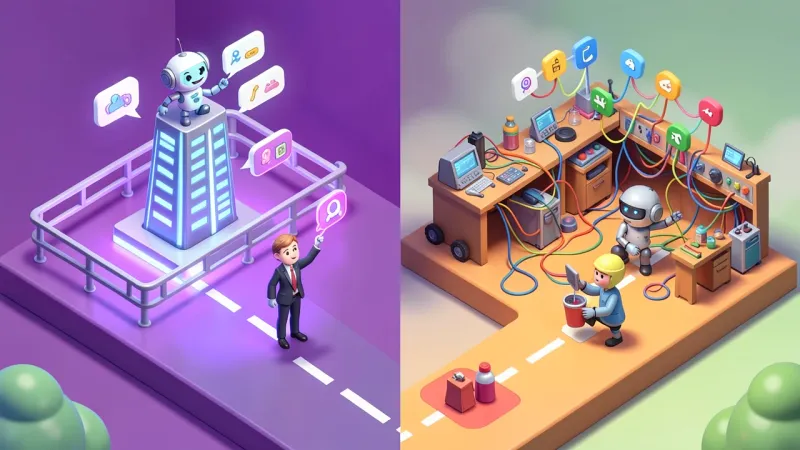
The core difference: Zapier automates the bridge between two systems. SquadOS automates the entire process, with an agent that understands context, pulls from a knowledge base and actually holds a conversation, not just fires a fixed action.
AI as one extra step vs AI as the whole product
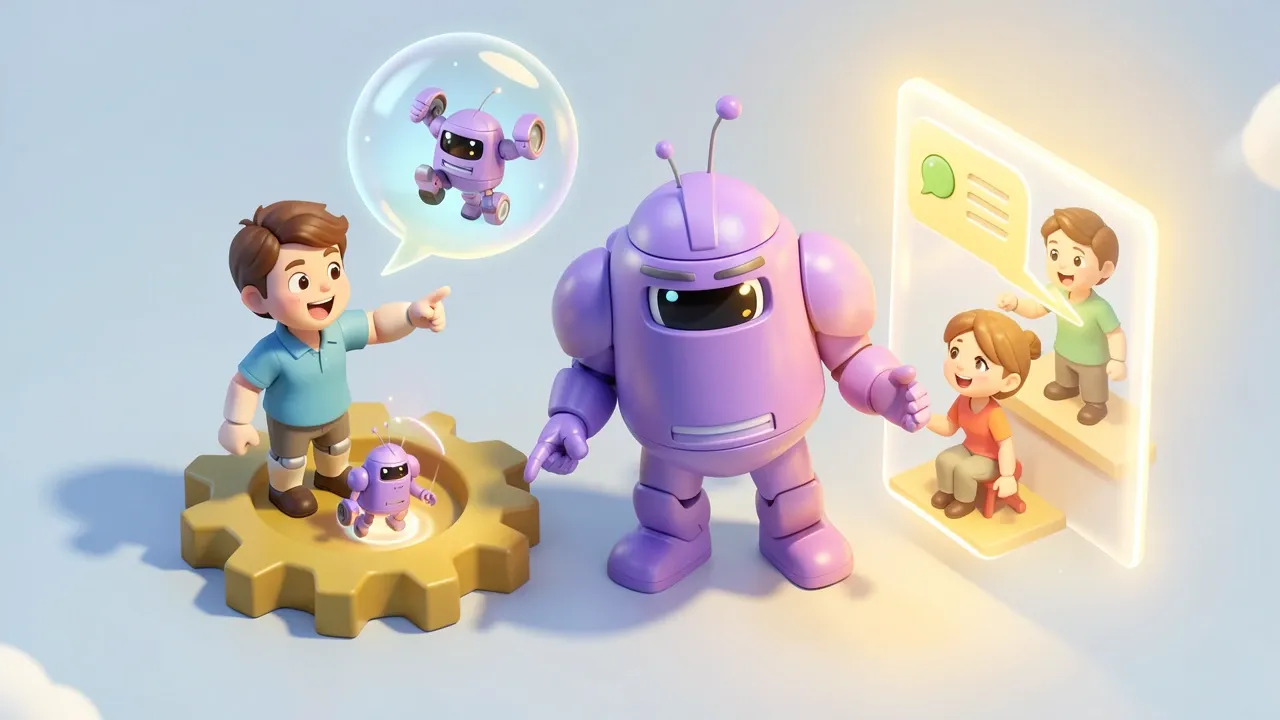
In Zapier, AI shows up as one more block inside the zap. You can add a step that calls a language model to summarize a text, extract a field, or decide which branch the flow takes. It works well for a point task inside a process that is, at its core, still systems integration.
In SquadOS, AI is not a step, it is the center. The agent carries its own knowledge base, remembers the context of the conversation, decides on its own which tool to use in each situation, and can carry an entire support interaction start to finish, not just one piece of it.
That changes what each platform is actually good at:
- Zapier shines at moving data between systems and automating repetitive admin tasks, with AI plugged in as a point accelerator.
- SquadOS shines at putting a full agent in front of a customer or employee, one that understands an open question, not just a filled-in form field.
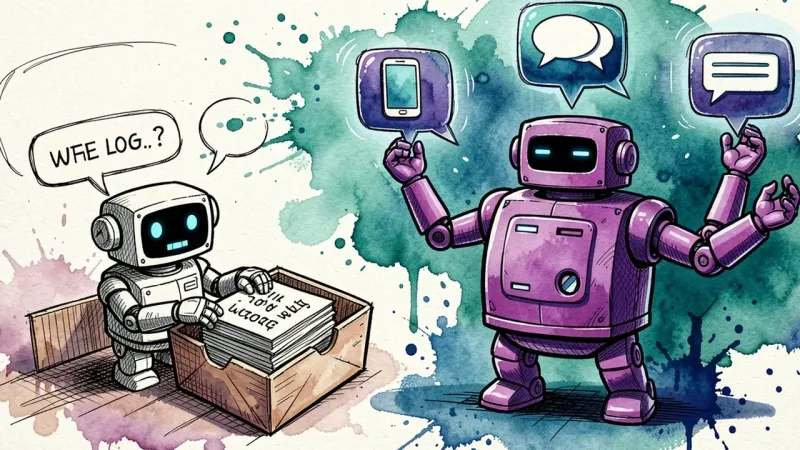
An example makes the difference concrete. A typical support zap does this: a message hits a form, creates a ticket, posts a Slack notification. A SquadOS agent for the same scenario answers the customer’s question right away, on WhatsApp, pulling from the company’s knowledge base, and only opens a ticket when a human is genuinely needed. The first moves data. The second solves the problem.
Governance, channels and what ships ready
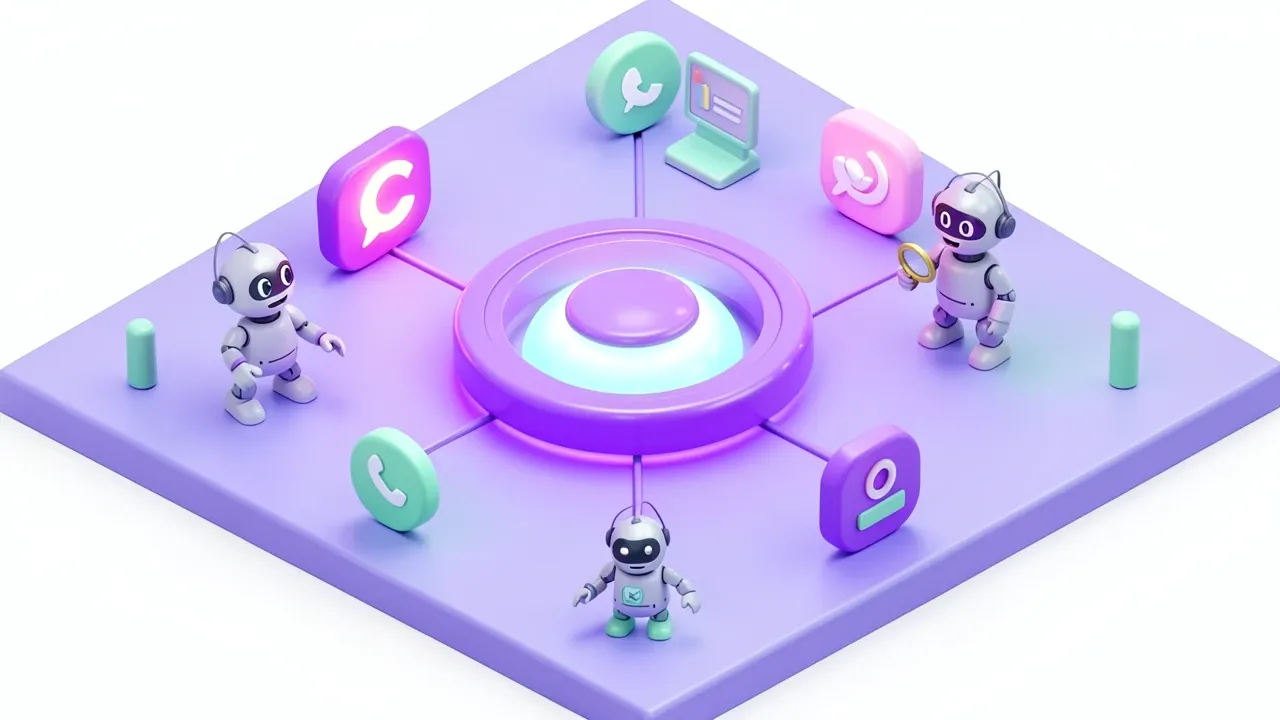
Automation that talks to customers or touches sensitive data needs control over what the AI can and cannot do. This is where the gap between the two platforms shows up clearly.
Zapier was not built as an AI governance platform, and that is not a flaw, it is scope. Hallucination guardrails, a full conversation audit trail, an official WhatsApp channel ready for support, and brand-voice consistency are not the center of the product. Each zap runs on its own, and quality control over the AI’s answers is on you.
SquadOS ships with that already on. Native guardrails against hallucination and personal data leaks, a full audit trail of every conversation, official WhatsApp, Telegram and website channels connected without manual integration, and AutoLearn catching every question the agent could not answer to improve the knowledge base on its own. You do not build that layer, it is already in the product.
How to decide between the two
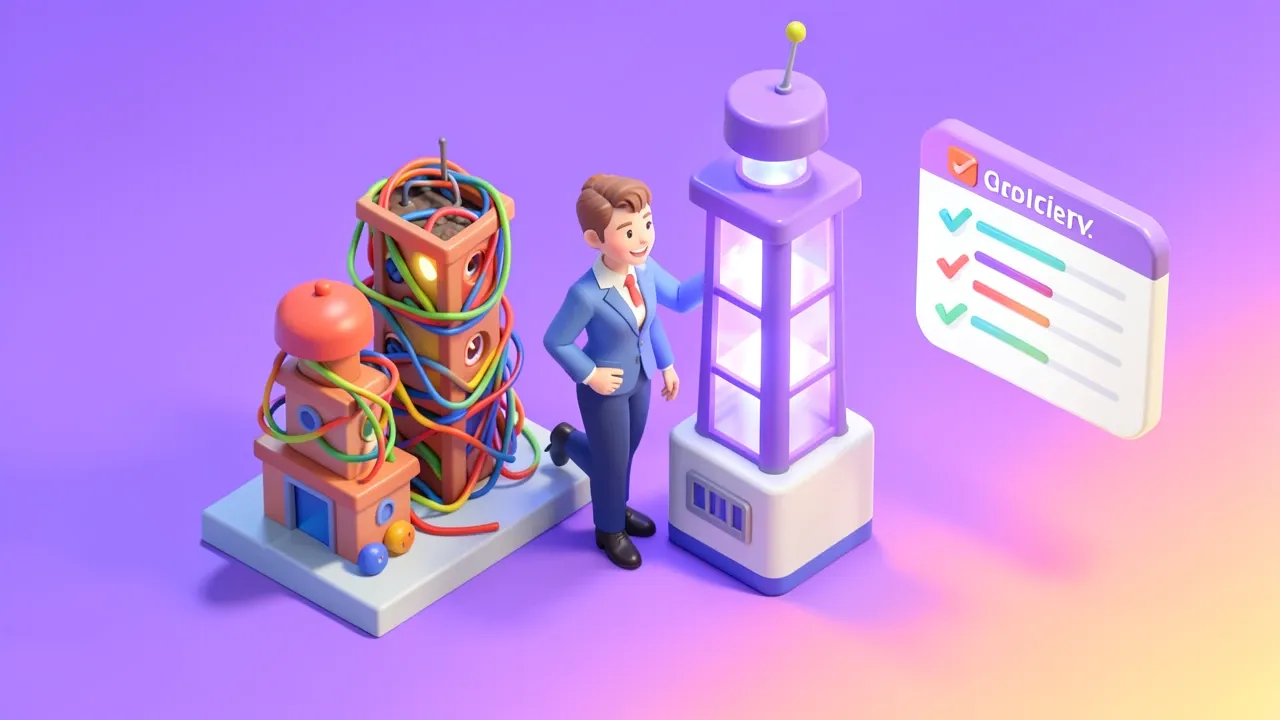
The right choice depends on what you are automating, not on which platform is more famous.
Zapier makes sense when the work is moving data between existing systems (a form, a spreadsheet, a CRM, Slack), the task is simple and predictable, and AI enters only as an accelerator inside a flow that is still, at its core, app integration.
SquadOS makes sense when the goal is putting a real AI agent in front of customers or running a whole internal process, one that understands natural-language questions and not just filled-in fields, with governance that is not optional. Plenty of companies run both together: Zapier moving data behind the scenes, SquadOS as the layer that actually talks to people.
Upkeep cost is worth a look too. A Zapier account with dozens of active zaps needs someone checking what broke every time an app changes its API, and price climbs as execution volume grows. In SquadOS the cost is tied to AI usage (credits), not per zap or per isolated run, and keeping the agent, model and channel infrastructure healthy is the platform’s job, not yours.
If the question is “I want an AI agent handling support and automating a process safely, without building it zap by zap,” the answer leans toward SquadOS. On SquadOS you build the agent by talking to it (AgentMaker), connect it to 100+ native integrations and official channels, and it improves on its own with AutoLearn, without turning into one more zap to maintain.