AI Agent Squad: What It Is and How to Orchestrate Multiple Agents
A single agent trying to do everything breaks fast. Learn what an AI agent squad is, why specializing beats generalizing, and how to orchestrate it.
On this page
An AI agent squad is a team of specialized agents working together, each with a defined role, instead of one generic agent trying to handle everything. It is the same logic behind a well-built human team: nobody expects the same person to sell, handle support and run payroll alone, and the rule does not change with AI agents.
The name is not a coincidence. When a company organizes its AI into squads (small, focused teams), it avoids the most common mistake teams make when they start with agents: stuffing everything into one giant prompt and hoping it holds. This article explains what a squad is, why it solves what a single agent cannot, and how to orchestrate multiple agents without turning it into a mess.
What an AI agent squad actually is
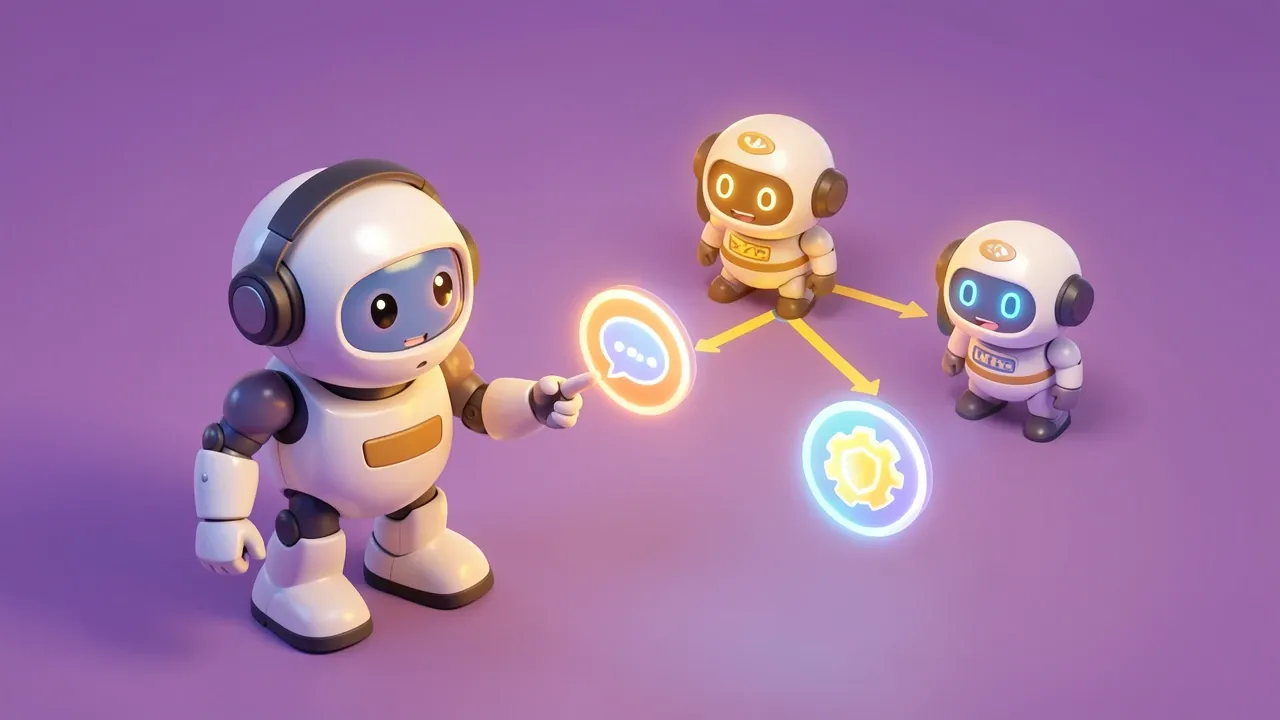
An AI agent squad is a set of agents, each with its own scope, tools and knowledge base, coordinated to complete a process bigger than any single one of them could handle alone. One handles initial triage, another executes a specific task, a third decides when to escalate to a human.
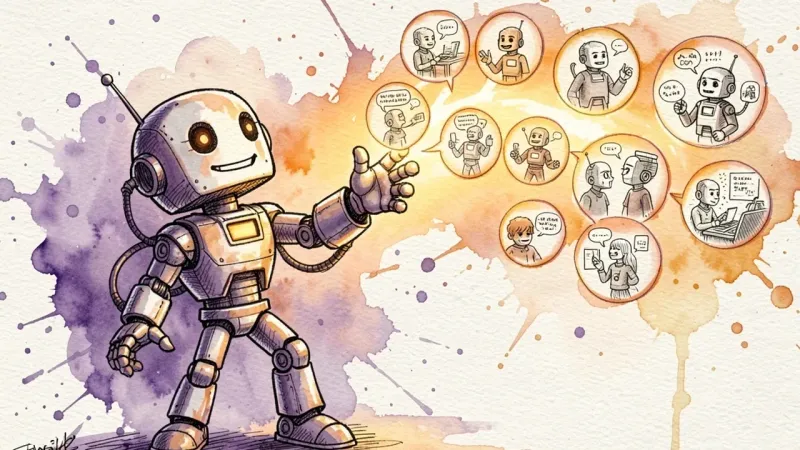
The core difference from a single agent is not technical, it is design. A generic agent needs to know about HR policy, product catalog and support procedure all at once, and every new topic raises the odds it mixes context up or answers the wrong thing. A squad splits that load: each agent learns one domain well, and the whole team covers what used to require one overloaded agent.
This is not an abstract AI-lab concept. It is already how real teams structure automation: a lead qualification agent, a follow-up agent, a technical support agent, each solid in its own role, talking to each other when the process calls for it.
Why a generalist agent cannot keep up
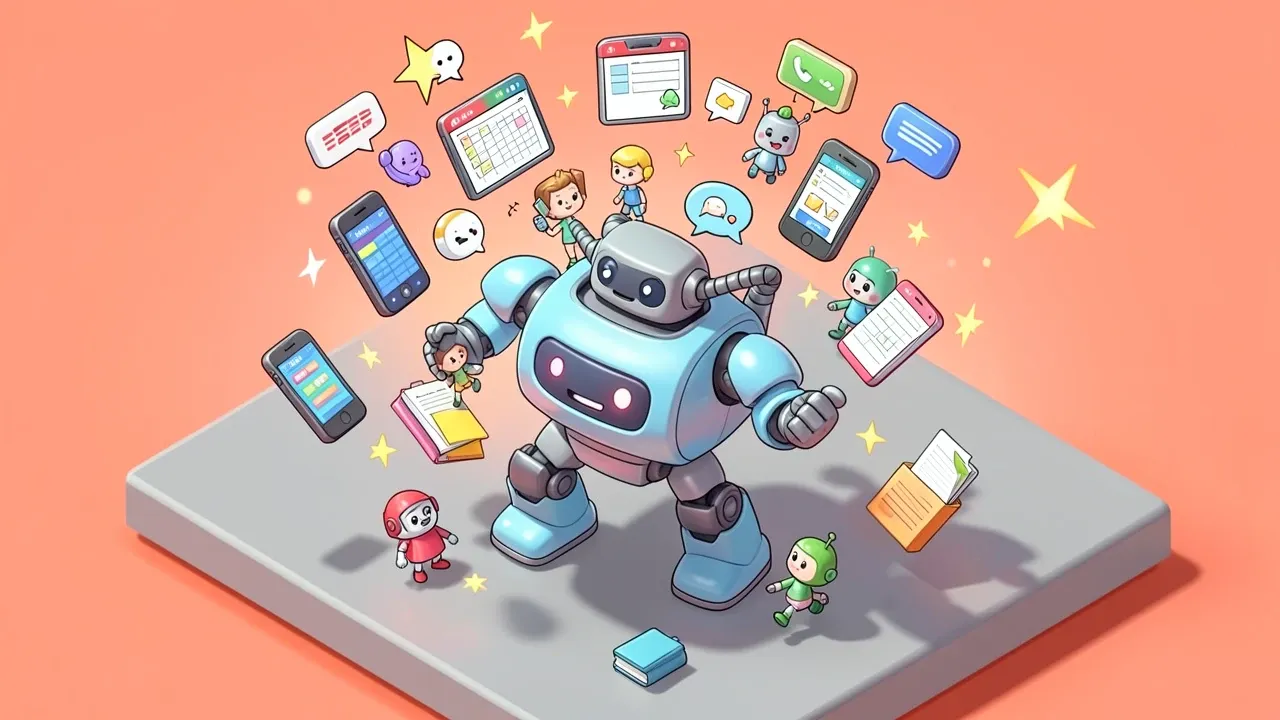
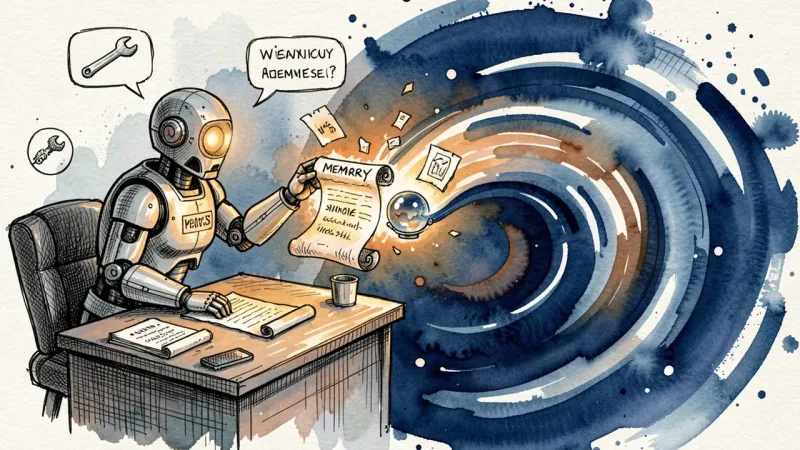
A generalist agent cannot keep up because every new responsibility it takes on competes for space in the same prompt, the same knowledge base and the same decision. That creates three problems that show up every time a company tries to solve everything with one agent.
- Polluted context. The more topics crammed into one agent, the easier it mixes information from one domain into the wrong answer.
- Stuck maintenance. Adjusting behavior for HR without breaking behavior for support turns into a juggling act, because everything lives in the same prompt.
- Diffuse accountability. When the agent gets something wrong, it is hard to tell which instruction failed, because everything is tangled together.
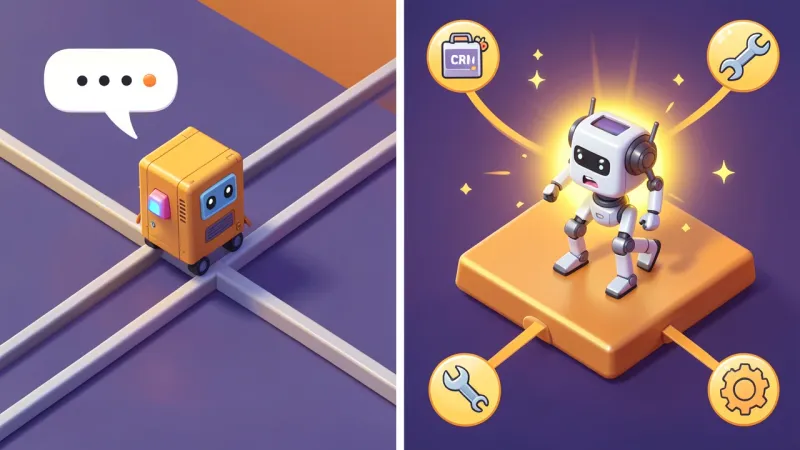
A squad fixes this by splitting on scope. Each agent stays small enough to be well understood, tested and tuned without side effects on the others. The support agent gets something wrong, you fix only that one. The sales agent stays untouched.
How to orchestrate: roles, tools and handoff

Orchestrating a squad means defining three things for each agent: its role, the tools it can access, and the moment it hands off to another agent or to a human. Without that, you do not have a squad, you have several loose agents competing for attention.
In practice, squad design follows a similar path across almost every company:
- Define each agent’s role. Clear scope: what it solves, what it should never attempt.
- Connect only the tools that role needs. The support agent reads the customer’s history, not payroll. That is security, not just tidiness.
- Design the handoff. When the qualification agent spots a hot lead, it passes it to the sales agent with the context attached, not from scratch.
- Make clear when it escalates to a human. Not every case belongs to the squad. Handing off to a person is part of the design too, history attached.
The part that surprises people getting started: you do not need to code this orchestration by hand. On a platform built for it, each agent in the squad is born from a conversation, with the right scope, tools and knowledge base, and the handoff between them is configuration, not engineering.
Squads in practice: examples by department
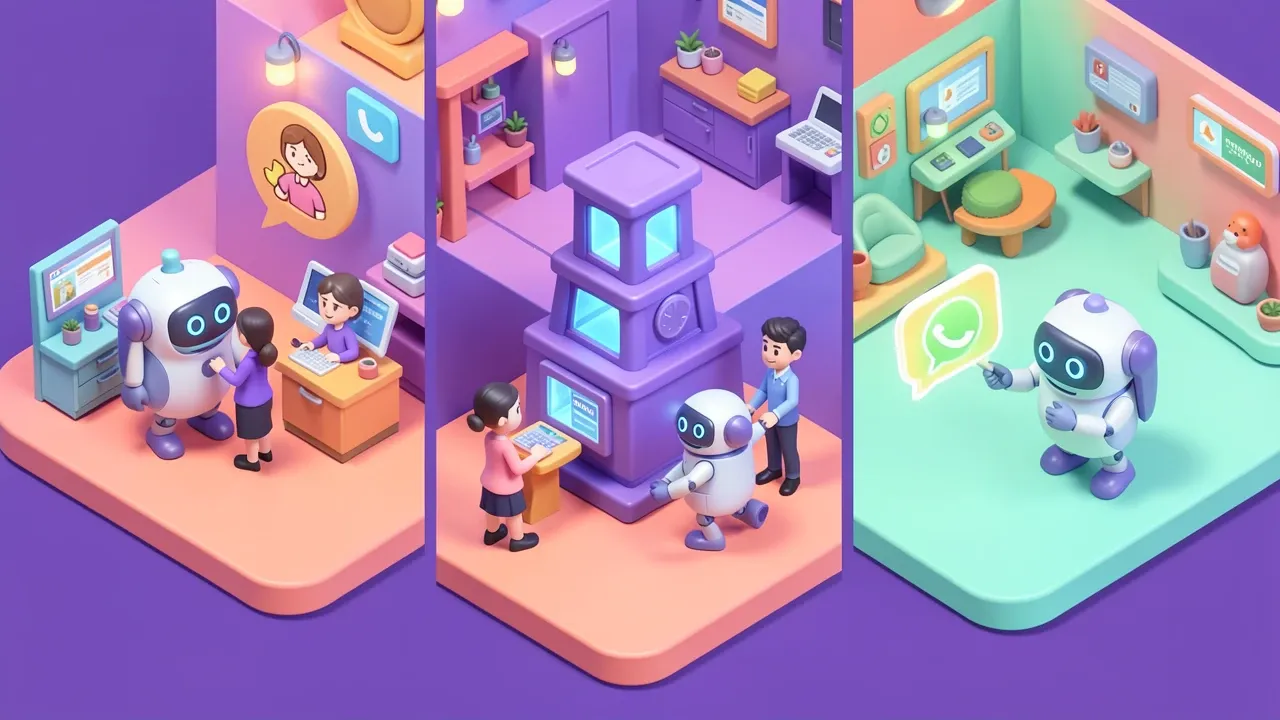
Agent squads already show up in nearly every department that deals with repetitive volume, whether conversation or process. In support, one agent handles the first layer 24/7 and escalates to a human only what needs a person, history attached. In sales, one agent qualifies the lead and another handles automated follow-up, each solid in its own stage of the funnel. In HR, one agent runs onboarding for new hires and another answers recurring questions about policy and benefits, without mixing both roles into one confusing prompt.
What changes from squad to squad, beyond the role, is the model behind each agent. A simple triage agent does not need the most expensive model on the market; an agent handling complex negotiation benefits from a stronger one. A well-designed squad picks the right model for each task, not the same expensive model for everything.
Building that squad from scratch, picking the right model for each agent without turning it into an engineering project, is exactly what SquadOS solves: 30 active models from 15 providers to pick the best one per agent, multimodal support with up to 95% token savings, and BYOK for teams that already have their own key. You build the whole squad by talking, not coding.