AI for hair salons and beauty clinics: a full booking calendar without a front desk drowning in texts
AI for hair salons and beauty clinics books color, cut and treatment appointments over chat, cuts no-shows, and knows when to bring in a human.
On this page
It’s 8pm on a Wednesday, the salon closed two hours ago, and the front desk phone keeps buzzing. One client wants to know if there’s an opening for a blowout tomorrow morning. Another asks if her Botox appointment on Friday can be moved earlier. A third sends a photo of her last color job asking if the stylist can match it exactly. Nobody answers until the salon reopens, and by then the first client has already booked somewhere else, while the receptionist walks in Thursday to forty messages piled up before she can even help the client sitting in the chair.
That’s daily life for anyone running a hair salon or a beauty clinic: messages all day, most of them after hours, mixing a simple reschedule with a question that touches directly on someone’s confidence. Most of that volume is repetitive and predictable, exactly the kind of question a well-configured AI agent on chat can handle on its own, without pulling anything that needs professional judgment out of the team’s hands.
Why beauty and aesthetics scheduling squeezes service in its own way
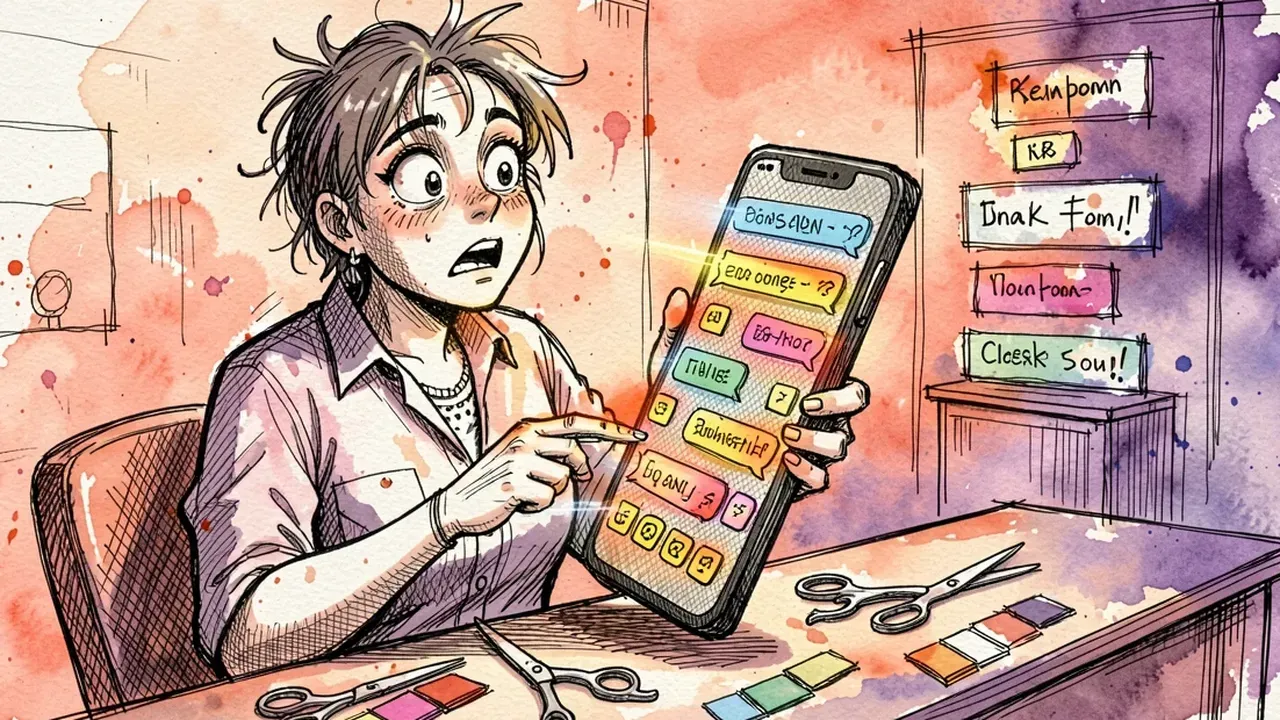
Salons and beauty clinics run on tight, recurring cycles. Haircuts and blowouts repeat every 3 to 6 weeks, root touch-ups usually need a monthly return, manicures and pedicures land every 2 to 3 weeks, and aesthetic treatment packages (facials, laser hair removal, Botox and filler sessions) follow a protocol with a fixed date between applications. It’s a living calendar, full of people who need to reschedule, switch to their preferred stylist, or join a waitlist when the ideal slot is already gone.
Add the emotional layer on top. Aesthetic procedures touch appearance and self-esteem, so the question before booking isn’t just “is there an opening”, it’s “will it hurt”, “how long is recovery”, “can I do this while pregnant”, “will this shade actually suit my skin tone”. Those questions need a fast, careful answer, while the front desk also has to deal with last-minute no-shows, which hit especially hard in beauty and aesthetics because that reserved slot rarely gets refilled in time.
That creates a familiar trap: the business hires more front-desk staff to keep up with message volume, but the bottleneck stays, because most of that new hire’s time goes to confirming appointments and answering the same questions, not to service that actually needs a trained professional’s judgment. Scaling by hiring more receptionists doesn’t fix it, it just spreads the same manual work across more people.
What an AI agent actually handles
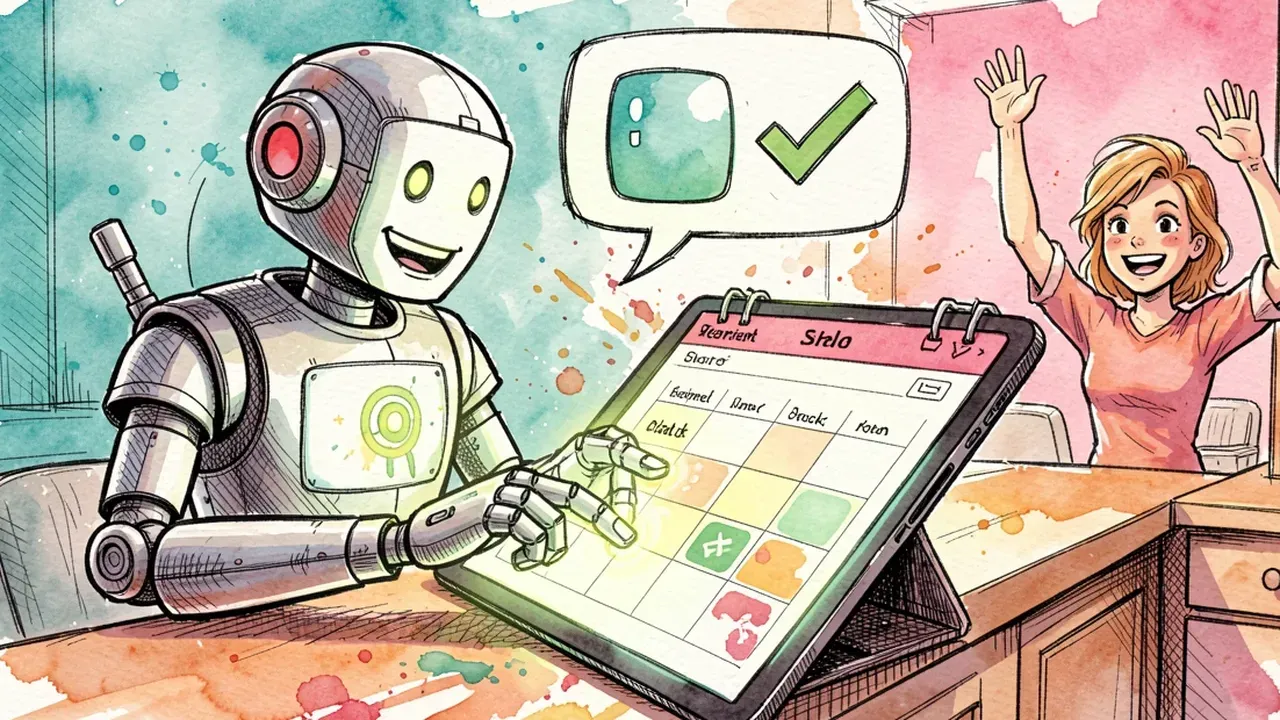
The repetitive slice of salon and clinic service is exactly where an AI agent on chat delivers value fast, without promising treatment outcomes or replacing a professional’s assessment:
- Booking and rescheduling. Checks the real calendar, only offers open slots, reschedules without the client needing to call during business hours.
- Confirmation and reminders. Automated messages 24 hours and 2 hours before the appointment, with a one-tap confirm or reschedule, built to cut no-shows.
- Smart waitlist. When someone cancels, the agent notifies the right person on the waitlist for that time slot and that specific stylist, in order.
- Frequent service questions. Price per procedure, average duration, what to bring, what to avoid before and after (sun exposure, hair dye, exercise), all pulled from the salon’s own knowledge base.
- Post-appointment follow-up. Asks how the result turned out, reminds the client about the recommended maintenance product, suggests the ideal date to repeat the treatment.
Where AI stops and hands off to a human
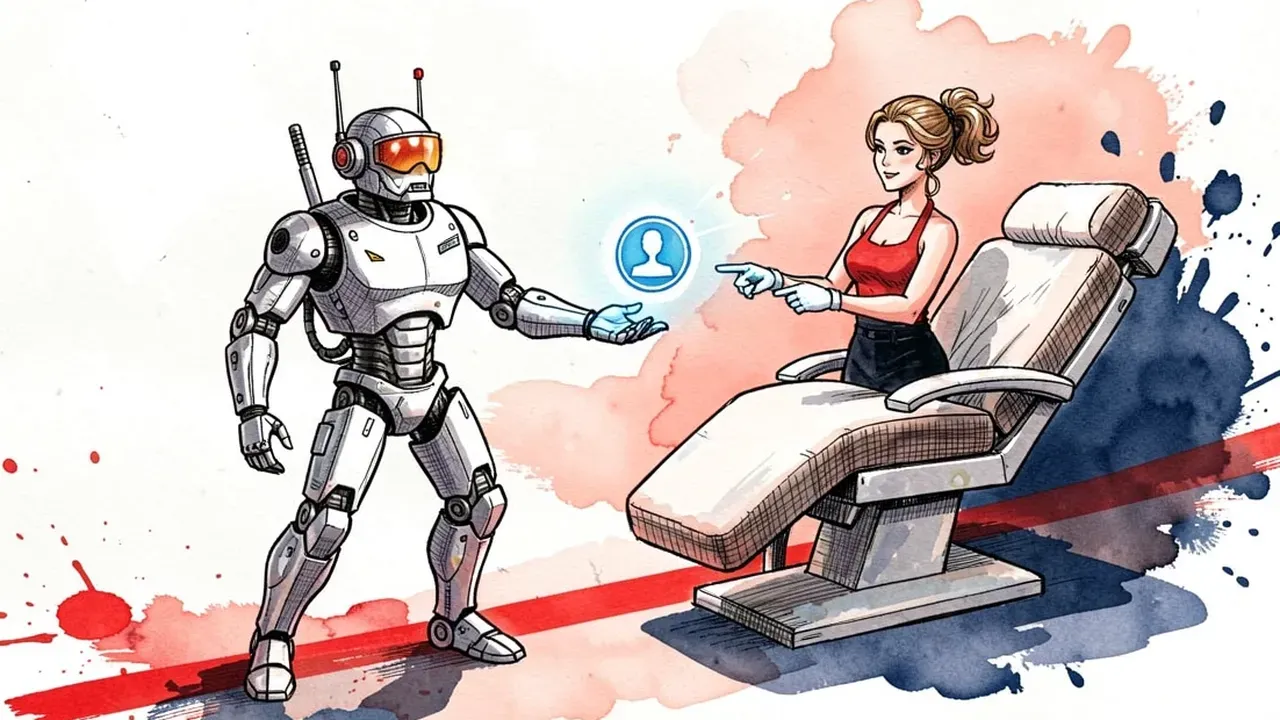
An allergic reaction, a question about contraindications during pregnancy or with certain medications, a first-time invasive procedure, a complaint that the result didn’t turn out as expected: none of these is a moment for an agent to handle alone. The agent needs to spot the risk or dissatisfaction pattern in the first message and escalate to a human right away, without dragging the anxious client through triage questions she doesn’t have patience for. Clinical assessment, post-procedure product recommendations, and off-menu price negotiation stay exclusively the work of someone trained for it.
The rule is simple: anything that’s scheduling, reminders, or a frequent question about a service, AI handles start to finish. Anything involving skin health, an adverse reaction, or an unhappy client, it spots fast and routes to the right person, without pretending to know what it doesn’t.
Connecting to the calendar and system the business already runs
No salon or clinic wants to switch booking software just to get an AI agent. A useful agent plugs into the flow that already exists: checks the real calendar in the booking system (never offering a slot another stylist already has booked), updates the client’s file with color and treatment history directly in the system, and logs product or package sales in the books without a side spreadsheet. That only works with real integration between the agent and the tools the business already runs day to day, not an isolated chatbot that promises a slot and leaves the front desk scrambling to fit it in afterward.
How this becomes an operation, not a one-off experiment
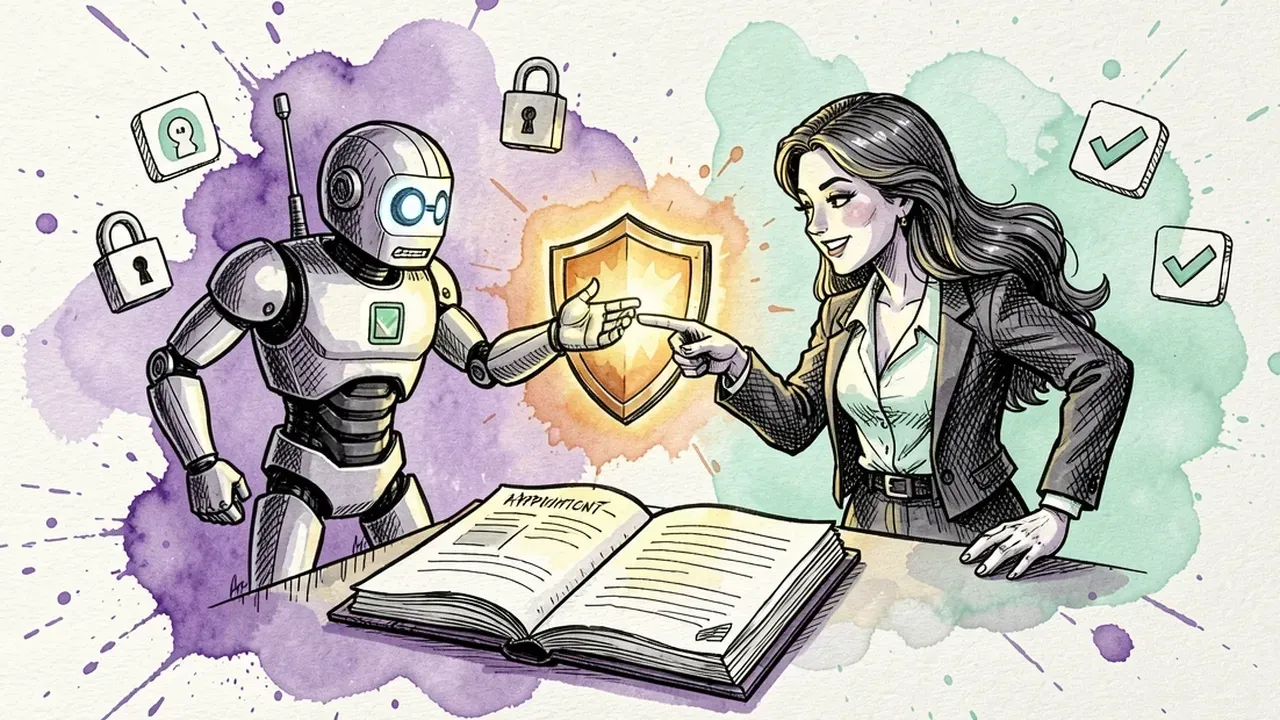
The real gain shows up when the agent covers the hours the front desk isn’t staffed, while following the same rules the salon already has: correct pricing, the real calendar, cancellation and package policy, brand tone of voice. That takes an agent configured with governance (guardrails that lock down what it can and can’t promise about a treatment’s outcome), not a loose chatbot answering anything in the business’s name.
What to track after automating
Turning the agent on isn’t the end of the work, it’s the start of a tuning routine. Three numbers tell most of the story: how long first response takes (it should drop to seconds, not hours), how many messages the agent closes on its own without escalating (that number climbs as the FAQ knowledge base fills in), and the no-show rate after automated reminders kick in. None of these three need a complex spreadsheet, and together they show fast whether the agent is actually taking weight off the front desk or just reformatting the same manual work.
It’s also worth periodically reviewing conversations the agent escalated when it didn’t need to, or worse, tried to handle alone when it should have escalated. That’s where the team tightens the risk threshold and closes gaps in the knowledge base, without rewriting the agent from scratch.
Bring your salon or clinic’s service to an agent that answers on WhatsApp, Telegram, and your website any time of day, with guardrails that lock down what it can promise about a treatment and its results. SquadOS builds that agent in a conversation, no prompt writing required, and keeps everything auditable from the first message.